CG Policy · 2025
In this section7 topics
Corporate Governance Policy
Has a Corporate Governance Policy
Yes
Policy Description
The Company and its subsidiaries (the “Group”), together with the Board of Directors, recognize the importance of good corporate governance and are committed to continuously developing the organization as a role model in corporate governance, good governance principles, and business ethics. This commitment aims to ensure that the Group’s operations are conducted efficiently, transparently, and in a manner that is accountable and verifiable.
Accordingly, the Board of Directors has established the Group’s Corporate Governance Policy in written form. This policy encompasses key principles covering the structure, roles, duties, and responsibilities of directors, as well as guidelines for management practices. It is founded on the principles of clarity, fairness, sustainability, and accountability toward all stakeholders, including employees, shareholders, investors, and other related parties.
In addition, the Board has defined operational guidelines and performance monitoring mechanisms for its sub-committees to ensure alignment with the Group’s Corporate Governance Policy. The policy was first implemented in 2019 and has been regularly reviewed, with the most recent review conducted on 14 November 2025.
The Group remains steadfast in its adherence to good corporate governance principles, with reference to guidelines issued by the Securities and Exchange Commission of Thailand (SEC) and the Stock Exchange of Thailand (SET), as well as assessment frameworks under the Corporate Governance Report of Thai Listed Companies (CGR) by the Thai Institute of Directors (IOD) and the DJSI Sustainability Assessment criteria. Management is responsible for overseeing compliance with these principles. The Company continues to review and enhance its policies to elevate corporate governance standards in line with evolving domestic and international practices. This ongoing commitment strengthens stakeholder confidence and delivers sustainable value to the organization, in alignment with the expectations of the business sector, investors, the capital market, and society as a whole.
Policy Document Link
https://wsol.co.th/en/sustainability/corporate-governance/
Page Number in Report
1
Policy & Practices — Board of Directors
Introduction
The Company places great importance on the role of the Board of Directors in overseeing corporate governance in accordance with good governance principles. The Company has established comprehensive policies and practices covering the systematic and transparent process of recruiting and appointing directors and senior executives in alignment with the organization’s strategic direction, as well as determining appropriate and equitable remuneration based on roles, responsibilities, and the Company’s performance. The Board also emphasizes maintaining its independence from management to ensure effective oversight and checks and balances, while supporting the continuous development of directors through training and enhanced knowledge in relevant laws, regulatory requirements, and business trends. In addition, the Company regularly conducts performance evaluations of the Board, its sub-committees, and individual directors in order to improve the effectiveness of governance practices. The Board further places importance on the supervision of subsidiaries and associates to ensure that they operate under consistent policies and standards, enabling the Group to conduct its business efficiently, transparently, and sustainably for the benefit of shareholders and all stakeholders.
Has Policy & Guidelines for the Board
Yes
Board Guidelines
| Guideline | Detail | Document Link | Page Number in Report |
|---|---|---|---|
| Nomination of Directors | 1) Directors1.1 Recruitment and Appointment Process for DirectorsThe Nomination and Remuneration Committee is responsible for considering, screening, and proposing qualified individuals who possess appropriate qualifications and do not have any prohibited characteristics under applicable laws and relevant regulations. In this regard, the Committee takes into account the appropriate composition and balance of the Board, including an assessment of Board Diversity in terms of gender, age, skills, expertise, and professional experience. The Board Skill Matrix is utilized as a supporting tool in the selection process. The Committee also evaluates candidates’ independence in alignment with the Company’s current and future business operations, in accordance with good corporate governance principles. In the case of recruiting directors to replace those whose term has expired, the Nomination and Remuneration Committee will consider suitable candidates from various sources, including nominations proposed by directors, shareholders, and the Thai Director Pool database maintained by the Thai Institute of Directors (IOD). Where a candidate is being reappointed, the Committee will also take into consideration the individual’s past performance. The Nomination and Remuneration Committee submits the proposed candidates, together with supporting opinions, to the Board of Directors for consideration. The Board of Directors will then proceed in accordance with the following cases: Appointment of Directors to Replace Those Retiring by Rotation
Appointment of Directors to Fill Other Vacancies (Other than Rotation)
The relevant internal units of the Group will proceed with the registration of changes in directors with the Ministry of Commerce and report such changes to internal departments and relevant regulatory authorities within the timeframe prescribed by law. 1.2 Qualifications of Directors(1) All directors must possess the qualifications required under Section 68 of the Public Limited Companies Act B.E. 2535 (1992), as amended, and the Securities and Exchange Act B.E. 2535 (1992), as amended. Directors must not have any prohibited characteristics or behaviors indicating unfitness to be entrusted with the management of a public company, in accordance with regulations prescribed by the Securities and Exchange Commission (SEC). (2) Directors must have the knowledge, expertise, and skills specified in the Company’s Board Skill Matrix, consistent with the Company’s business strategy. This ensures that the Board comprises a diverse range of competencies and experiences, such as finance, investment, accounting, law, information technology, corporate management, risk management, human resource management, and other experience relevant to the Company’s business. (3) Directors must be able to perform their duties and express opinions independently, free from undue influence from any party, and must be able to devote sufficient time to fulfill their responsibilities effectively. 2) Independent Directors2.1 Recruitment and Appointment Process for Independent DirectorsThe Company applies the same recruitment and appointment process for independent directors as it does for directors in general. Candidates are selected based on their qualifications and expertise in accordance with the Board Skill Matrix. Individuals to be appointed as independent directors must meet the Company’s definition of an independent director, as well as the criteria prescribed by the Stock Exchange of Thailand (SET), the Securities and Exchange Commission (SEC), and other relevant regulatory authorities. 2.2 Qualifications of Independent DirectorsAn independent director must meet the following qualifications:
| ||
| Determination of Director Remuneration | The Nomination and Remuneration Committee is responsible for considering and determining the remuneration of directors and sub-committee members, in the form of monthly retainers as well as meeting allowances payable based on the number of meetings attended. In determining appropriate remuneration, the Committee takes into account the Company’s operating performance, overall economic conditions, and remuneration benchmarks commonly adopted by other companies in similar industries. The Nomination and Remuneration Committee will submit its recommendations to the Board of Directors prior to proposing them for approval at the shareholders’ meeting. At the Annual General Meeting of Shareholders for the year 2025, the meeting resolved to approve the continuation of the directors’ remuneration rates at the same level as those applied in 2024. With regard to the remuneration of the Chief Executive Officer, the Nomination and Remuneration Committee determines the compensation based on the CEO’s performance over the past year, using the performance evaluation form in accordance with the guidelines prescribed by the Stock Exchange of Thailand, together with the Company’s overall performance, prevailing economic conditions, and the CEO’s qualifications and capabilities. Once the evaluation results and remuneration have been finalized, the Secretary to the Nomination and Remuneration Committee will notify the Human Resources function to proceed with the subsequent implementation process. | ||
| Independence of the Board of Directors from the Management | The Company has established a Board structure with an appropriate proportion of independent directors and has clearly segregated the roles and responsibilities between the Board of Directors and management. This enables the Board to perform its duties in setting policies, monitoring, and providing effective checks and balances over management operations in an impartial manner, free from undue influence or conflicts of interest. In addition, the Board places emphasis on regularly reviewing directors’ qualifications and independence, while encouraging open and constructive discussions during meetings to support prudent decision-making in the best interests of the Company, shareholders, and all stakeholders on a sustainable basis. The Board of Directors is responsible for determining and reviewing the Board structure in terms of size, framework, and the proportion of independent directors to ensure appropriateness and alignment with the Company’s key objectives and corporate goals. In this regard, the Board operates in accordance with the following guidelines: (1) Ensuring that the Board comprises directors with appropriate qualifications and diversity in skills, experience, capabilities, and individual attributes, so that the overall Board composition is aligned with the Company’s business strategy and responsive to stakeholder expectations. (2) Determining the number of directors at an appropriate level to enable effective performance of duties, with the Board consisting of no fewer than five (5) and no more than twelve (12) directors. (3) Maintaining a balanced proportion between executive directors and non-executive directors to ensure appropriate checks and balances, based on the following principles:
(4) The Board has adopted a policy that independent directors shall not serve continuously for more than nine (9) years from the date of their first appointment. Where it is necessary to extend the term beyond this period, the Board will carefully consider the rationale and appropriateness of such appointment. (5) To ensure that key matters are thoroughly reviewed, the Board may appoint sub-committees to consider specific issues, screen information, and provide recommendations to the Board prior to approval. (6) The Board ensures appropriate and transparent disclosure of the roles and responsibilities of the Board and its sub-committees, including the number of meetings held, directors’ attendance records, and the performance of each sub-committee. | https://sabuytech.com/sustainability/corporate-governance/ | 1 |
| Director Development |
Furthermore, the Company conducts an assessment of directors’ skills through the Board Skill Matrix as a guideline for ongoing capability development. The Company also supports all directors in becoming members of the Thai Institute of Directors (IOD) to facilitate access to knowledge and best practices in corporate governance, business ethics, and business management through participation in activities, meetings, seminars, and professional forums that contribute to the continuous enhancement of directors’ skills and expertise. The Board of Directors also ensures that all directors have a clear understanding of their roles, responsibilities, the Company’s business nature, and relevant laws, while supporting the continuous development of necessary competencies to enable directors to perform their duties effectively in line with good corporate governance principles. Key practices are as follows: (1) Newly appointed directors receive an orientation program (Director Orientation Program) and essential information required for the performance of their duties, such as the Company’s objectives, key goals, vision, mission, corporate values, governance structure, business nature, and operating guidelines, as well as information on significant risks and key organizational policies, to ensure an appropriate and effective commencement of their directorship. (2) The Company supports directors’ continuous participation in training programs, seminars, and director development courses organized by external institutions such as the Thai Institute of Directors (IOD), the Stock Exchange of Thailand, and relevant regulatory bodies, as well as internal knowledge-sharing activities. For example, in 2025, the Company organized a knowledge session for directors, executives, and employees on “Governance Essentials for Directors and Executives” on 10 September 2025 at the Company’s head office. (3) The Board of Directors regularly receives up-to-date information on laws, regulations, business standards, and the operating environment relevant to the Company’s business through communications from responsible functions, including the Company Secretariat, Legal and Compliance Department, and Investor Relations Department. Regulatory updates are also prepared to ensure that directors can keep abreast of key developments in a timely manner. (4) The Company encourages directors to participate in opportunities for shared learning and the exchange of perspectives, such as Board workshops, strategic presentations by management, and visits to business units or subsidiaries, in order to strengthen directors’ in-depth understanding of the Company’s operations and related key issues. (5) The Company systematically monitors and records directors’ training and development activities and discloses such information in the Company’s annual report (Form 56-1 One Report), enabling shareholders and stakeholders to recognize the Company’s ongoing commitment to enhancing the Board’s capabilities. | 1 | |
| Board Performance Evaluation | The Company places the utmost importance on good corporate governance and the effective performance of the Board of Directors. Accordingly, the Company conducts a systematic and continuous annual performance evaluation of the Board at three levels: the Board as a whole, individual directors, and Board committees. This evaluation serves as an important mechanism to enhance working standards and continuously improve the overall effectiveness of the Board. Evaluation Framework The Company’s evaluation process is carried out in accordance with the guidelines recommended by the Stock Exchange of Thailand (SET) and the Thai Institute of Directors (IOD), and is divided into three levels as follows: 1) Board Performance Evaluation (Board as a Whole)
2) Individual Director Performance Evaluation
3) Board Committee Performance Evaluation
Evaluation Process
Utilization of Evaluation Results The evaluation outcomes are analyzed and applied to:
he Company believes that this systematic and transparent evaluation process is a vital component in elevating corporate governance standards and reinforcing confidence among shareholders and all stakeholders. | ||
| Corporate Governance of Subsidiaries and Associated Companies | The Board of Directors is responsible for ensuring that the Company establishes appropriate governance mechanisms and frameworks for its subsidiaries and other entities in which the Company has made significant investments. The level of oversight is determined in accordance with the nature of the business, size, and shareholding proportion of each entity, with the objective of achieving a consistent and mutual understanding among the parent company, subsidiaries, and investee companies. (1) Governance Policies and Framework for Subsidiaries The Board of Directors determines and oversees governance policies for subsidiaries, covering key matters as follows: 1.1 Appointment of Key Persons in Subsidiaries
1.2 Roles and Responsibilities of Company Representatives
1.3 Internal Control and Fair Business Practices The Executive Committee ensures that subsidiaries maintain adequate and robust internal control systems so that all transactions are conducted properly and in compliance with applicable laws, regulations, and relevant standards. 1.4 Disclosure of Information and Transparency Appointed Company representatives must ensure that subsidiaries and/or associates provide complete and accurate disclosure of material information, including:
In addition, subsidiaries must maintain proper accounting records and data retention systems to enable the Company to review information and prepare consolidated financial statements within the required timeframe. (2) Oversight of Significant Investments in Other Entities In cases where the Company makes significant investments in other entities, such as holding voting shares of 20% to not more than 50%; or investments involving amounts or obligations material to the Company, the Board of Directors ensures that a Shareholders’ Agreement or other relevant contractual arrangements are established. These agreements provide clarity on key issues, including:
Through these measures, the Company strengthens governance, transparency, and effective oversight across its subsidiaries and significant investments, thereby supporting sustainable growth and protecting the interests of shareholders and stakeholders. |
Policy & Practices — Shareholders and Stakeholders
Introduction
The Company recognizes the vital role of shareholders and all stakeholder groups in driving the sustainable growth of the organization. Accordingly, the Company has established policies and practices grounded in transparency, accountability, fairness, and respect for the rights of all stakeholders, including shareholders, customers, employees, business partners, creditors, communities, and regulatory authorities. These policies emphasize the Company’s commitment to conducting business in accordance with good corporate governance principles, ensuring accurate and equitable disclosure of information, encouraging stakeholder engagement, and maintaining an appropriate balance between the interests of the Company and those of society as a whole. In addition, the Company has implemented measures to prevent corruption and the misuse of inside information, and has provided secure and verifiable channels for complaints and whistleblowing.
The Company is committed to the equitable and fair treatment of all shareholders and places great importance on protecting shareholders’ rights, including the right to buy, sell, or transfer shares; the right to share in the Company’s profits; the right to receive sufficient and timely information; and the right to attend and vote at shareholders’ meetings independently and on an equal basis. The Company has also established clear guidelines enabling shareholders to propose additional agenda items, nominate director candidates, and submit questions in advance of the Annual General Meeting of Shareholders. These procedures are publicly announced through the Company’s website and the communication channels of the Stock Exchange of Thailand toward the end of October each year. Furthermore, shareholders are encouraged to participate in decision-making on significant matters that may materially affect the Company, such as dividend allocation, the appointment or removal of directors, the determination of directors’ remuneration, and the appointment or removal of auditors and the approval of audit fees.
Through these practices, the Company remains dedicated to strengthening the confidence of shareholders and all stakeholders, while supporting stable and sustainable growth across business, social, and environmental dimensions.
Has Policy & Guidelines for Shareholders and Stakeholders
Yes
Shareholder & Stakeholder Guidelines
| Guideline | Detail | Document Link | Page Number in Report |
|---|---|---|---|
| Shareholder | (1) Practices for Protecting Shareholders’ RightsThe Company is committed to treating all shareholders with transparency, fairness, and full respect for their rights in all aspects. The Company has established policies to ensure the accurate, complete, and equitable disclosure of information, thereby enabling shareholders to make informed decisions. Shareholders’ meetings are organized in a transparent and verifiable manner that encourages active participation. In addition, the Board of Directors and management are committed to delivering appropriate returns through responsible management and sound corporate governance, in order to safeguard shareholders’ interests in both the short and long term on a sustainable basis. 1.1 Shareholders’ MeetingsThe Board of Directors convenes the Annual General Meeting of Shareholders within four months from the end of each fiscal year, and may call an Extraordinary General Meeting when necessary or upon shareholders’ request in accordance with applicable laws. The Company determines the date, time, and venue of meetings with due consideration for shareholders’ convenience, and supports the use of proxy appointments for those unable to attend in person. Meetings are conducted in compliance with legal requirements and good corporate governance principles. Minutes of meetings are prepared accurately and comprehensively, with transparent disclosure of directors’ and executives’ attendance. In 2025, the Company held one Annual General Meeting of Shareholders on 28 April 2025 via electronic means at the Company’s headquarters on the 14th floor of Central Tower, Ratchadamri Road, Bangkok. 1.2 Meeting Notices and Supporting DocumentsThe Company prepares meeting notices, supporting documents, and the annual report in both Thai and English. These documents clearly specify the meeting date, time, venue, agenda items, objectives, rationale, supporting information, potential impacts (both positive and negative), as well as opinions of the Board and relevant sub-committees. Such documents are published on the Company’s website at least 14 days prior to the meeting. Shareholders are also provided with channels to submit questions in advance via email or postal mail to the Company Secretary’s Office. In 2025, the Company disclosed the meeting notice, supporting documents, and the 2024 Annual Report (56-1 One Report) 28 days in advance from 31 March 2025, in line with the AGM Checklist guidelines of the Thai Investors Association, allowing shareholders sufficient time to review the information. The Company also assigned Thailand Securities Depository Co., Ltd., as the share registrar, to deliver meeting notices and proxy forms to all shareholders at least 14 days prior to the meeting, and announced the disclosure through the Stock Exchange of Thailand’s news system. 1.3 Conduct of Shareholders’ MeetingsAt the 2025 Annual General Meeting, six shareholders attended in person and twenty-eight attended by proxy, representing 42.22% of the Company’s total issued shares. The Company invited the external auditor from KPMG Phoomchai Audit Ltd. to serve as an independent vote counter together with Company officers, ensuring that the voting process was accurate, transparent, and verifiable. The meeting was conducted in accordance with the Emergency Decree on Electronic Meetings B.E. 2563 (2020) and relevant ministerial regulations on cybersecurity standards. The Company retained audio, visual, and electronic traffic data through Inventech Systems (Thailand) Co., Ltd., an ETDA-certified provider of electronic meeting and e-voting systems. Agenda items were considered in the order stated in the meeting notice, without rearrangement. Shareholders and proxy holders were given opportunities to raise questions or express opinions through the chat function and vote electronically via the Inventech Connect system. The Company responded to inquiries after each agenda presentation, including questions submitted in advance. For the election of directors, three directors due to retire by rotation were proposed for re-election. The Nomination and Remuneration Committee (excluding interested directors) reviewed their qualifications, ethics, expertise, experience, Board diversity, individual performance, and committee contributions, and resolved to propose their reappointment for another term to the shareholders’ meeting. 1.4 Disclosure of Resolutions and Meeting MinutesFollowing the conclusion of the 2025 Annual General Meeting, the Company disclosed the meeting resolutions and voting results for each agenda item in both Thai and English through the Stock Exchange of Thailand’s news system on the same day. The meeting minutes were also published on the Company’s website and made available for download in both languages. (2) Equitable Treatment of Shareholders2.1 Principles of Fair and Equal TreatmentThe Company adheres to good corporate governance principles and is committed to protecting shareholders’ rights while ensuring equal, transparent, and non-discriminatory treatment of all shareholders. Shareholders are facilitated in exercising their rights fully through the following practices:
2.2 Prevention of Insider TradingThe Group places the utmost importance on the prevention of insider trading and the misuse of confidential information. The Company has established a strict policy prohibiting directors, executives, employees, and staff from disclosing, exploiting, or deriving any benefit—whether directly or indirectly—from the Group’s confidential or non-public information. Such information must not be used for personal gain or for the benefit of any other person, regardless of whether any consideration is received. In addition, no person shall trade in the Company’s securities by using material non-public information. To ensure compliance with applicable laws and good corporate governance practices, the Company has implemented the following insider trading prevention measures. 2.2.1 Insider Trading Prevention Policy
2.2.2 Insider Trading Control MeasuresThe Board of Directors places the highest priority on preventing insider trading in the Company’s securities. Accordingly, the Company prohibits directors, executives, employees who may have access to insider information, as well as their spouses and minor children, from trading in the Company’s securities or related derivatives during the blackout period of one month prior to the announcement of quarterly and annual operating results, and within 24 hours after such information has been disclosed to the public. In addition, directors and executives are required to report their securities holdings and any changes therein, including those of their spouses/partners and minor children, to the SEC in accordance with the prescribed regulations. This requirement also extends to securities held through juristic persons in which directors or executives exercise more than 30% of voting rights, inclusive of voting rights held by spouses/partners and minor children. 2.3 Prevention of Conflicts of Interest2.3.1 Disclosure of Interests of Directors and ExecutivesDirectors and executives of the Group are required to comply with the Securities and Exchange Act B.E. 2535 (1992), the rules of the Stock Exchange of Thailand, and other relevant laws, which require the disclosure of their interests and those of related persons that may affect the management of the Group. The Company Secretary is responsible for maintaining such reports and notifying the Chairman of the Board and the Chairman of the Audit Committee within seven business days from the date of receipt. The Company reviews and monitors directors’ and executives’ interest disclosures at least twice a year and reports any changes to the Board of Directors to support transparent and accountable corporate governance. 2.3.2 Conflict of Interest Prevention PolicyThe Company requires directors, executives, and employees to perform their duties with integrity, honesty, and in the best interests of the Company, while avoiding any circumstances that may give rise to conflicts of interest. The Board of Directors oversees and manages potential conflicts of interest between the Company and its directors, executives, shareholders, or related parties. The Company also prevents the inappropriate use of corporate assets or insider information and ensures that transactions with related persons are conducted properly and reasonably. Key principles include:
(3) Recognition of the Role of StakeholdersThe Company recognizes the importance of all stakeholder groups and takes into account their rights and expectations in accordance with applicable laws, regulations, and contractual obligations. The Company has established a clear code of business conduct and appropriate practices to ensure that stakeholders are treated responsibly, transparently, fairly, and with due respect. 3.1 Responsibility Toward ShareholdersKey ObjectiveThe Company is committed to conducting business with transparency, strong corporate governance, and full and equitable disclosure of information, while delivering sustainable performance and stable growth in order to create long-term value for shareholders. Approaches and Implementation
| https://sabuytech.com/sustainability/corporate-governance/ | |
| Employee | 3.2 Responsibility toward Employees and Staff Key Objective The Company is committed to fostering a positive corporate culture and a supportive working environment that enhances employees’ potential and professional development. It encourages teamwork, job rotation, and career growth opportunities, while strengthening employees’ confidence, morale, and engagement. In this regard, the Company strictly complies with all applicable labor laws and relevant regulations. Approaches and Implementation
The Company provides appropriate and equitable compensation, welfare, and other employee benefits based on employees’ knowledge, capabilities, responsibilities, and performance. A standardized and systematic performance evaluation process is in place, requiring employees at all levels to establish clear Key Performance Indicators (KPIs). This ensures transparent performance monitoring and serves as a fair basis for remuneration decisions, while promoting motivation, capability development, and sustainable growth alongside the organization.
The Company continuously implements occupational health and safety measures to prevent accidents, reduce operational risks, and safeguard employees’ lives and property. Clear safety guidelines, regular monitoring, and ongoing awareness initiatives are established to strengthen a culture of safety throughout the organization.
The Company upholds human resource management principles grounded in equality, respect for human dignity, and equal opportunities for employees at all levels. Clear policies and procedures cover recruitment, performance assessment, development, and compensation management, ensuring fairness and fostering motivation. The Company also promotes a transparent and accountable corporate culture that supports the sustainable growth of both employees and the organization. Appointments, transfers, rewards, and disciplinary actions are conducted with transparency, accountability, and non-discrimination, in accordance with established approval authorities communicated throughout the Company.
The Company provides secure channels for employees to report potential misconduct, disciplinary breaches, legal violations, or ethical concerns. Reports are handled through a fair process with strict confidentiality safeguards.
The Company places strong emphasis on ongoing communication and understanding of business ethics, as well as employees’ rights and responsibilities. This promotes appropriate conduct aligned with good governance, integrity, and ethical business standards. Ethical guidelines are disseminated through internal communication channels, employee orientation programs, and regular refresher training. The Company encourages employees to apply ethical principles in their daily work and to cultivate an organizational culture of “Think, Act, Change, and Learn.” In 2025, training programs were conducted on topics such as Boosting Productivity with Generative AI and AI Agents and Personal Data Protection.
The Company is dedicated to enhancing employees’ quality of life by providing fair and appropriate welfare benefits, both statutory (e.g., social security) and additional benefits depending on the Company’s capacity. These benefits serve to support employees in meeting organizational standards and to reward outstanding performance. Examples include financial assistance in various cases, accident insurance, additional leave, and funeral support. The Company also recognizes the importance of employees’ financial security by promoting savings and long-term financial planning through structured welfare schemes and long-term savings programs under its human resource policies. Financial planning knowledge is shared through internal communication channels to help employees achieve stability, reduce financial risks, and grow sustainably alongside the Company.
The Company has established a Welfare Committee as a key mechanism to enhance employees’ well-being and quality of life. The Committee also serves as a channel for gathering employee feedback and fostering cooperation between employees and management. Its roles include supporting welfare activities, improving the working environment, and strengthening internal relationships, thereby creating a workplace atmosphere conducive to personnel development and the Company’s long-term sustainability.
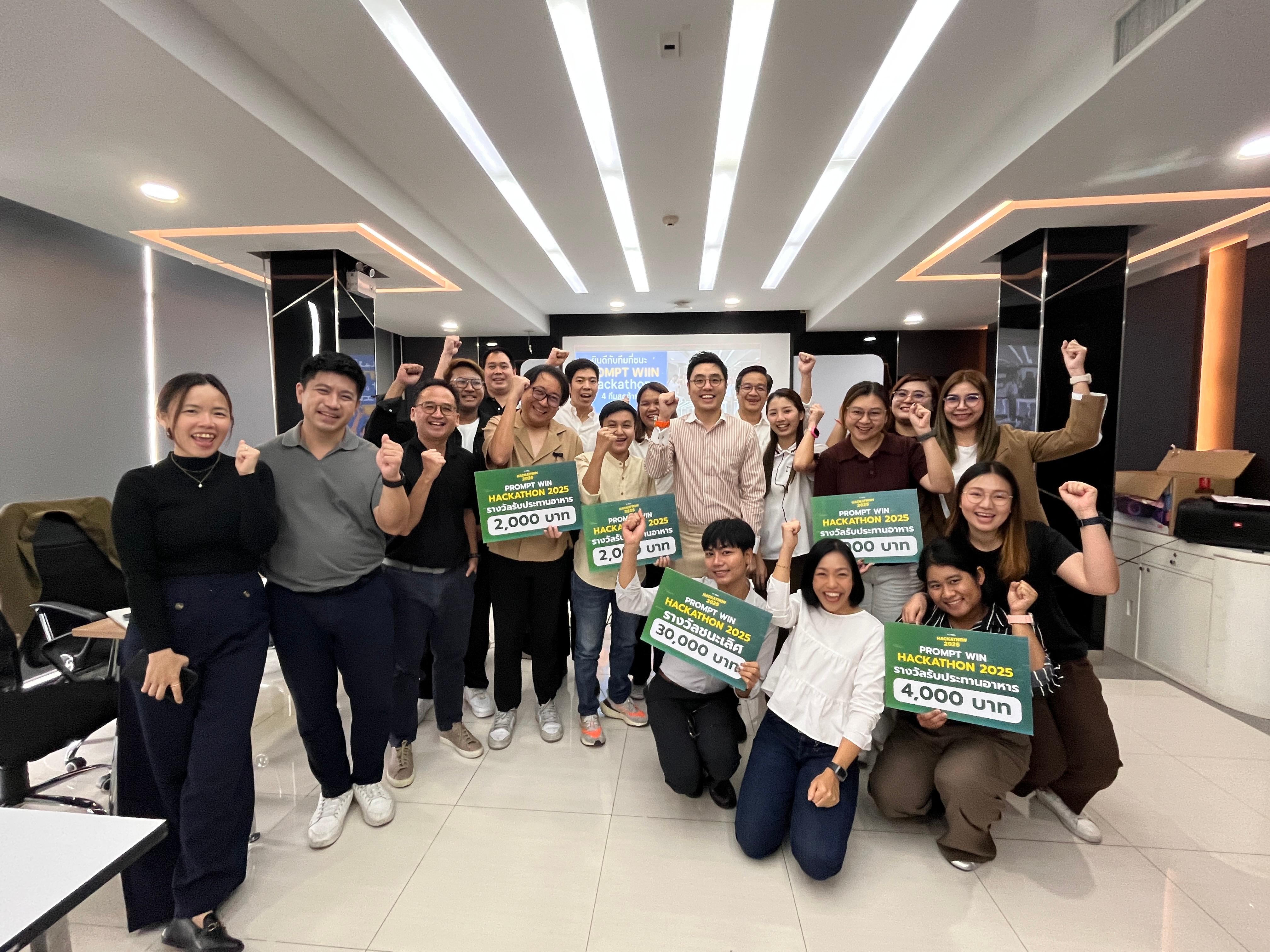
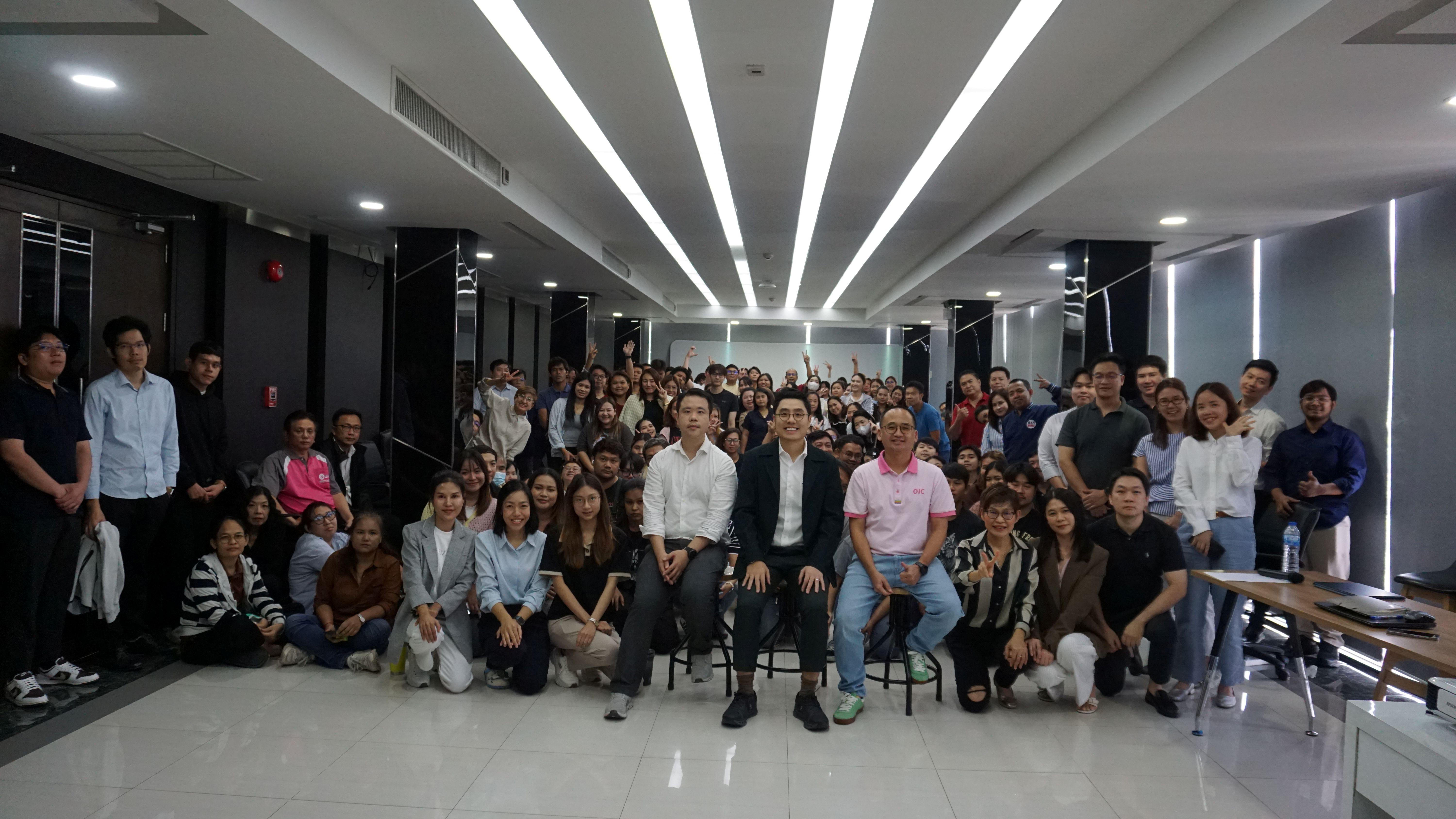
The Company places strong emphasis on fostering employee engagement and retaining high-potential talent over the long term. It is committed to creating a supportive working environment that encourages collaboration, participation, and pride in being part of the organization. This is continuously promoted through various activities and initiatives at both departmental and corporate levels, such as: 1. Prompt Win Hackathon 2025: 2. WSOL Hunter Challenge: 3. “Prompt Im” and “Prompt Kod” Programs: 4. Prompt Learn Out Loud Program (to be launched in 2026): 5. Town Hall: The Company organizes regular town hall meetings to strengthen communication and shared understanding across the organization. These sessions provide updates on business performance, strategic direction, key initiatives, and major projects, while also offering employees opportunities to participate, exchange ideas, and raise questions, fostering a stronger sense of belonging within the organization.
| ||
| Customer | 3.3 Responsibility toward Customers Key Objective The Company is committed to achieving customer satisfaction by delivering services that appropriately meet customer needs in a transparent and equitable manner. The Company also places the highest priority on safeguarding the confidentiality and security of customer information. Approaches and Implementation
The Company regularly conducts customer satisfaction and perception surveys in order to enhance service quality and continuously strengthen its corporate image.
The Company is dedicated to developing and providing products and services that meet established standards and align with customer expectations and requirements.
The Company provides customers with complete, accurate, up-to-date, and non-misleading information regarding its services, including relevant terms and conditions, enabling customers to make informed decisions based on reliable facts.
The Company offers various channels for customers to submit feedback, report issues, or lodge complaints, such as telephone hotlines, customer service units, email, or written correspondence. Complaints are addressed promptly, fairly, and with due consideration.
The Company adheres to transparent business practices, refrains from imposing unfair conditions on service users, and strictly complies with contractual agreements and service terms on an equitable basis.
The Company consistently emphasizes the confidentiality and protection of customer data and strictly prohibits the use of such information for personal gain or for the benefit of related parties under any circumstances. To ensure effective compliance, the Company and its group have formally appointed a Personal Data Protection Committee responsible for establishing appropriate measures, monitoring, and ensuring adherence to applicable laws. The Committee comprises senior executives from the Legal and Corporate Governance function, the Information Systems and Data Management function, and the Operations function.
The Company prepares and maintains a Record of Processing Activities (RoPA) covering personal data of existing customers and prospective customers. This record is reviewed and updated annually. In addition, the Company provides appropriate channels for data subjects to exercise their legal rights in accordance with relevant personal data protection laws. | ||
| Business competitor | Key ObjectivesThe Company believes that conducting business under the principles of free, fair, and transparent competition, while upholding business ethics and complying with applicable laws and regulations, helps build confidence among stakeholders and supports the Company’s sustainable long-term growth. Accordingly, the Company has established a policy to operate with respect for market competition mechanisms and refrains from any actions that may distort competition or cause harm to competitors. The Company focuses on improving the quality of its products and services, fostering innovation, and enhancing operational efficiency in order to strengthen its competitiveness appropriately. Approaches and Implementation1. Compliance with Trade Competition Laws 2. Fair and Ethical Competition 3. Protection of Business Confidentiality and Competitive Information 4. Raising Awareness Within the Organization | ||
| Business partner | 3.5 Responsibility toward Business Partners Key Objective The Company recognizes that business partners and suppliers play a vital role in supporting its operations and driving sustainable growth. Accordingly, the Company is committed to fostering transparent, fair, and mutually beneficial business relationships. Clear guidelines have been established for the selection and management of business partners, based on quality, reliability, legal compliance, and business ethics. The Company also encourages its partners to continuously enhance their capabilities and operational standards in alignment with sustainable development principles. Approaches and Implementation Compliance with Fair Competition PrinciplesThe Company conducts business with its business partners and competitors fairly, in accordance with international standards and applicable trade and competition laws. The Company is committed to fostering transparent, fair, and mutually beneficial business relationships by establishing clear guidelines for the selection and management of business partners based on quality, reliability, legal compliance, and adherence to business ethics. In addition, the Company encourages its business partners to continuously enhance their capabilities and operational standards. Promotion of Responsible Business Practices toward Society and the EnvironmentThe Company promotes responsible business operations by adhering to appropriate labor practices, prioritizing occupational health and safety, and minimizing environmental impacts. It also supports information sharing and collaboration to enhance the quality of products and services, strengthen supply chain resilience, and create long-term shared value. Furthermore, the Company places emphasis on environmentally friendly procurement practices by considering products and services that help reduce resource consumption, waste generation, and environmental impacts, such as supporting paperless workflows, selecting energy-efficient equipment, and procuring from suppliers that adopt sustainable business practices, as appropriate. Non-Infringement and Ethical Protection of Trade SecretsThe Company is firmly committed to conducting business with integrity and respecting the rights of its business partners. It does not engage in any acts that involve the unlawful acquisition, use, or disclosure of trade secrets of business partners, whether directly or indirectly. To this end, the Company has established clear confidentiality measures, including restricting access to information on a need-to-know basis, incorporating confidentiality clauses in business contracts, and requiring employees to strictly comply with the Company’s Code of Conduct. The Company does not engage in any actions that would improperly obtain or use the trade secrets of its business partners. Building Strong Relationships through Collaborative InitiativesThe Company places great importance on building long-term relationships with its business partners by organizing regular meetings, seminars, and collaborative activities to exchange information, share development approaches, and jointly enhance service quality. The Company also promotes mutual understanding of its operational standards to foster strong collaboration throughout the supply chain. During the past year, the Company implemented several collaborative initiatives, such as a project to develop a channel-based product sales period control system to ensure compliance with legal requirements for certain products, thereby reducing regulatory risks for business partners, as well as a collaboration project with leading logistics service providers to integrate multimodal transportation services under a franchise-based system, enhancing the service capabilities of business partners. Listening to Feedback and Complaints from Business PartnersThe Company provides appropriate channels for business partners to contact the Company, submit suggestions, or lodge complaints regarding business operations, such as through the procurement function, email, or designated online platforms. A systematic, transparent, and fair process has been established to review and follow up on such matters, with the objective of building trust and fostering sustainable business relationships. Appropriate Disclosure of Key Information through Online ChannelsThe Company places importance on communicating relevant information to business partners in a complete and transparent manner by disclosing news, codes of conduct, ethical requirements, and key business practices through its online channels (website). This enables business partners to conveniently access up-to-date information and helps reduce miscommunication in business coordination. Management of Business Partners’ Personal Data (RoPA)The Company implements a systematic approach to protecting the personal data of its business partners by maintaining a Record of Processing Activities (RoPA) covering the collection, use, and disclosure of business partners’ personal data. Such records are reviewed and updated on an annual basis. In addition, the Company provides channels through systems or applications that enable data subjects to exercise their legal rights effectively, thereby ensuring compliance with applicable laws and appropriate data protection standards. | ||
| Creditor | 3.6 Responsibility Toward CreditorsKey ObjectiveThe Company is committed to maintaining relationships with its creditors on the basis of transparency, fairness, and accountability, with due regard to mutual responsibility in the effective management of financial obligations. This approach aims to strengthen confidence and foster long-term shared benefits between the Company and its creditors, while supporting the Company’s financial stability and sustainable growth over the long term. Approaches and Implementation
The Company places strong emphasis on complying with the terms, conditions, and financial obligations under loan agreements and other contractual arrangements, based on principles of integrity and good faith, and avoids any actions that may adversely affect creditors’ rights. The Company is committed to building long-term constructive relationships with all creditors and provides full cooperation when adjustments to repayment terms are necessary, with due consideration to the mutual best interests of all parties.
The Company carefully plans and manages its cash flow, working capital, and debt structure through forward-looking financial forecasting, liquidity monitoring, and appropriate interest burden management. These measures ensure that the Company is able to meet its repayment obligations as scheduled and sustain business continuity in a stable manner.
The Company has established a system to regularly monitor and assess its debt status, including periodic reviews of financial covenants and other key contractual requirements. Management continuously evaluates the Company’s debt servicing capacity and implements financial risk management measures, such as cost control, cash flow management, and liquidity preservation, to prevent defaults and mitigate potential impacts.
Should any event arise that may affect the Company’s ability to meet its debt repayment obligations, the Company will develop appropriate corrective action plans. The Company will also cooperate with creditors in good faith to identify mutually acceptable solutions, including the adjustment of terms or restructuring arrangements, in order to protect the interests of all parties and minimize risks to business operations.
The Company fully and accurately discloses financial information and other material data related to its financial obligations in accordance with applicable laws and regulatory requirements, thereby reinforcing transparency and credibility in its financial management practices.
The Company recognizes the importance of protecting creditors’ personal data and has established a Record of Processing Activities (RoPA) covering the collection, use, and disclosure of creditors’ personal information in an appropriate manner. The RoPA is reviewed and updated on an annual basis. In addition, the Company provides channels for data subjects to exercise their rights under applicable personal data protection laws, ensuring compliance with relevant legal requirements and recognized standards. | ||
| Government agency | 3.7 Responsibility Toward Government Agencies and the Public Sector Key Objective The Company places the highest importance on conducting its business under a strong governance framework with transparency and full compliance with applicable laws, regulations, and supervisory requirements set forth by relevant regulatory authorities, such as the Securities and Exchange Commission (SEC) and the Bank of Thailand (BOT). This commitment aims to strengthen confidence among shareholders, investors, customers, business partners, and all stakeholders. The Company has established a systematic compliance function to oversee regulatory adherence, with a focus on ensuring that operations are carried out in accordance with requirements related to business operations, disclosure practices, risk management, and the protection of investors’ rights, as well as corporate governance standards. Approaches and Implementation1. Compliance with Laws and Regulatory RequirementsThe Company continuously monitors and assesses regulatory developments issued by the SEC, BOT, and other relevant authorities to ensure that its business operations remain fully compliant in all aspects. 2. Internal Control System and Risk ManagementThe Company has implemented an appropriate internal control system and a comprehensive risk management process to prevent regulatory risks and mitigate potential impacts on business operations. 3. Accurate, Transparent, and Timely DisclosureThe Company places strong emphasis on the complete, accurate, transparent, and timely disclosure of material information to investors and the capital market, in accordance with the requirements of the SEC, the Stock Exchange of Thailand, and the BOT. 4. Promoting a Corporate Culture of Good Governance and ComplianceThe Company encourages directors, executives, and employees at all levels to recognize the importance of conducting business ethically and in compliance with applicable laws and relevant regulatory requirements. The Company does not support the giving or receiving of bribes in any form in dealings with government agencies. Awareness is fostered through internal communication, knowledge-sharing initiatives, and relevant training programs organized both internally and by external institutions. 5. Cooperation and Coordination with Regulatory AuthoritiesThe Company fully cooperates with regulatory authorities through its key functions, including the Investor Relations Department and the Legal and Compliance Department. The Company remains committed to supporting regulatory practices, coordinating as necessary, and continuously improving its processes to align with applicable standards and supervisory expectations. | https://wsol.co.th/wp-content/uploads/2025/12/WSOL_%E0%B8%99%E0%B9%82%E0%B8%A2%E0%B8%9A%E0%B8%B2%E0%B8%A2%E0%B8%95%E0%B9%88%E0%B8%AD%E0%B8%95%E0%B9%89%E0%B8%B2%E0%B8%99%E0%B8%81%E0%B8%B2%E0%B8%A3%E0%B8%97%E0%B8%B8%E0%B8%88%E0%B8%A3%E0%B8%B4%E0%B8%95%E0%B8%84%E0%B8%AD%E0%B8%A3%E0%B9%8C%E0%B8%A3%E0%B8%B1%E0%B8%9B%E0%B8%8A%E0%B8%B1%E0%B9%88%E0%B8%99%E0%B8%A0%E0%B8%B2%E0%B8%A2%E0%B9%83%E0%B8%99.pdf | 3 |
| Community and society | 3.8 Responsibility toward Communities and SocietyKey ObjectiveThe Company is committed to promoting and delivering tangible benefits to surrounding communities and society through business operations that take into account social, environmental, and economic impacts, as well as the engagement of stakeholders at all levels. The Company aims to foster long-term mutual trust, constructive relationships, and sustainable coexistence by creating shared value and supporting community development in a responsible and inclusive manner. Approaches and Implementation
The Company continuously implements and supports initiatives that contribute to community development and social well-being in various areas, including education, vocational skill enhancement, environmental conservation, health promotion, and other public benefit activities. These efforts are intended to improve quality of life and encourage sustainable and inclusive growth together with society.
The Company has established channels for receiving complaints, suggestions, or concerns that may affect the community, including social, environmental, safety, or business-related impacts. These channels include direct responsible departments, email, and the "whistleblowing" communication platform on the Company’s website, enabling timely, transparent, and fair review and resolution of such matters.
Upon receiving complaints or concerns from the community, the Company undertakes a structured process to verify facts, identify root causes, and implement corrective and preventive measures as appropriate. The Company also monitors the progress of such actions and provides feedback to complainants within a reasonable timeframe in order to strengthen trust, maintain positive cooperation, and effectively mitigate potential impacts on the community. 3.9 Responsibility Toward the EnvironmentKey ObjectiveThe Company is committed to minimizing the environmental impacts arising from its business operations and promoting the efficient and responsible use of resources. The Company conducts its activities with due regard for environmental stewardship, alongside fostering environmental awareness throughout the organization. These efforts support sustainable growth. Approaches and Implementation
The Company places strong emphasis on effective resource management by reducing energy consumption, minimizing waste generated from operational processes, and supporting environmentally responsible practices. Such initiatives include prudent use of materials, the promotion of paperless workflows, and the selection of energy-efficient equipment where appropriate.
The Company has established the following guidelines: to utilize natural resources only to the extent necessary in order to minimize negative impacts on society, the environment, and the quality of life of the public; to regularly organize activities that contribute to environmental conservation as part of giving back to society; and to foster a strong and ongoing sense of environmental responsibility among employees at all levels in a serious and continuous manner.
The Company provides appropriate channels for stakeholders and surrounding communities to submit suggestions, concerns, or complaints regarding environmental impacts that may arise from business operations. This ensures that all matters can be reviewed carefully, transparently, and fairly in accordance with good governance principles.
Upon receiving complaints or identifying issues that may affect the environment, the Company undertakes a systematic process to investigate root causes, assess potential risks, and implement corrective or preventive measures as appropriate. The Company also monitors progress and communicates the outcomes or updates to the complainant within a reasonable timeframe, thereby reinforcing trust and maintaining constructive relationships with local communities and society. |
Code of Conduct
Has a Business Code of Conduct
Yes
Code of Conduct Description
Commitment to Business Ethics and Corporate Integrity
The Company places the highest importance on its Code of Business Conduct and Ethics, which serves as a fundamental cornerstone for transparent, ethical, and sustainable operations. This commitment is fully aligned with the Company’s Vision and Mission & Strategic Goals, with the objective of creating long-term value for all stakeholders, including shareholders, customers, employees, business partners, and society as a whole.
The Company’s vision is to empower communities and businesses through innovative financial and business solutions, fostering a comprehensive B2B2C ecosystem that supports sustainable growth. This vision represents a clear commitment to creating long-term value for society and the Thai economy. Accordingly, this Code of Conduct serves as a practical guideline that aligns with WSOL’s strategic objectives, including the advancement of technology and data-driven systems to deliver the highest-quality solutions for customers and stakeholders. It also supports the development of a strong business ecosystem, enabling WSOL to achieve sustainable growth with good governance.
To ensure that operations remain consistent with these principles, all individuals who are required to comply with the Code of Conduct and ethical standards in business operations include:
Members of the Board of Directors
Senior Executives and Management
Employees at all levels
Workers, consultants, and representatives
Any persons assigned or authorized to act on behalf of the Company or its subsidiaries
The Company formally requires all such persons to uphold this Code as a guiding principle in performing their duties as representatives of the Company and its subsidiaries. This ensures that business operations are conducted with integrity, transparency, accountability, and in a manner that maximizes benefits for all stakeholders, consistent with the Company’s mission of building a sustainable business ecosystem that responds effectively to consumer needs.
Mechanisms to Promote Ethical Compliance and Organizational Culture
The Company places strong emphasis on fostering an ethical corporate culture and conducting business with integrity. This ensures that employees at all levels clearly understand and consistently demonstrate the expected workplace behaviors. Such principles are communicated through multiple channels, including management-led townhall meetings, internal communication media such as posters and digital platforms, as well as employee engagement activities that promote corporate culture. In addition, the Company encourages a structured process for the exchange of opinions and systematic feedback among collaborating departments. This mechanism supports continuous improvement in operational efficiency and ongoing organizational development.
With respect to workplace ethics, the Company recognizes and commends employees who demonstrate behaviors that prioritize the collective interest, such as contributing to central organizational initiatives and providing cross-functional support. This helps establish positive role models and fosters a constructive working environment. At the same time, the Company has implemented monitoring mechanisms to detect potential unethical conduct and provides appropriate whistleblowing and complaint channels.
To further strengthen the integration of the Code of Conduct into the Company’s organizational culture, the following additional mechanisms are in place:
1. Reporting and Whistleblower Protection
The Company provides secure and confidential channels for reporting violations of the Code of Conduct, enabling employees and stakeholders to raise concerns without fear of retaliation. All reports are investigated fairly, transparently, and in accordance with established procedures, thereby upholding good governance standards and maintaining the organization’s long-term credibility.
2. Board Oversight
The Audit Committee or the Executive Committee regularly monitors and reviews relevant policies to ensure they remain aligned with evolving business conditions and social contexts.
3. Stakeholder Engagement
The Company provides opportunities for both internal and external stakeholders to offer feedback and recommendations regarding its operations, serving as an important mechanism for continuous review and improvement.
The Company believes that these processes effectively embed ethical principles into daily practices and cultivate a truly ethical corporate culture. They contribute to aligning business operations with international standards, supporting WSOL’s sustainable growth, and creating long-term value for society as a whole.
Code of Conduct Practices
| Guideline | Other — Please Specify | Detail |
|---|---|---|
| Prevention of Misuse of Inside Information | Conflict of Interest Prevention PolicyThe Company has established a Conflict of Interest Prevention Policy based on the principle that all business decisions must be made in the best interests of the Company and its shareholders. Any actions that may give rise to conflicts of interest must be avoided. In cases where directors, executives, or related persons have an interest in any transaction, such interests or relationships must be disclosed to the Company, and such persons must abstain from participating in the consideration and shall have no authority to approve the relevant transaction. This ensures that the Company’s operations are conducted with transparency, fairness, and accountability. Role of the Board of Directors in Managing Conflicts of InterestThe Board of Directors is responsible for overseeing, monitoring, and managing potential conflicts of interest that may arise among the Company, its subsidiaries, the Board of Directors, management, and shareholders. This is to ensure that business operations are conducted in accordance with good corporate governance principles, with transparency and fairness toward all stakeholders. Management of Conflicts of Interest and Prevention of Improper Use of BenefitsThe Board of Directors places importance on oversight in the following key areas: 1. Transactions with Related Parties
2. Prevention of the Use of Assets, Information, and Business Opportunities for Personal Gain
3. Oversight of Transactions That May Give Rise to Conflicts of Interest
4. Supporting Policies and Mechanisms
Guidelines for Fairness and TransparencyRelated party transactions must be conducted in the same manner as transactions with external parties, taking into consideration market prices, economic value, and the best interests of the Company. Such transactions must be conducted and/or disclosed in full compliance with the regulations and requirements of the Securities and Exchange Commission and the Stock Exchange of Thailand. Monitoring and EvaluationManagement, together with the Internal Audit function and external auditors, regularly monitors and evaluates the effectiveness of conflict of interest management and reports the results to the Audit Committee and the Board of Directors. This ensures compliance with the Company’s policies and applicable rules and regulations. ConclusionThe Board of Directors plays a key role in overseeing and preventing conflicts of interest, as well as preventing the misuse of the Company’s assets, information, or business opportunities for personal gain. These measures ensure that all transactions are conducted fairly, transparently, and in a verifiable manner, while safeguarding the best interests of the Company and its shareholders. | |
| Anti-corruption | Anti-Corruption PolicyThe Company recognizes and remains firmly committed to conducting its business with integrity, transparency, and accountability toward society, shareholders, and all stakeholder groups, in accordance with the principles of good corporate governance and the Group’s Code of Business Ethics. These principles serve as a vital foundation in supporting the sustainable growth of the organization. Accordingly, the Board of Directors has established the Company’s Anti-Corruption Policy, based on a strict Zero Tolerance approach toward corruption in all forms, whether direct or indirect. This includes any act of solicitation, offering, giving, receiving, or supporting corrupt practices for personal gain or for the benefit of any individual or entity. This policy applies comprehensively to directors, executives, and employees at all levels, as well as to subsidiaries within the Group, business partners, suppliers, contractors, and any persons acting on behalf of the Group. Definition of CorruptionUnder the Company’s definition, "corruption" refers to any act involving government officials, public agencies, private sector entities, or any other individuals or organizations conducting business with the Group, whether directly or indirectly, with the intention of inducing such parties—including business partners, government officials, or employees and executives of the Group—to perform or refrain from performing their duties in order to obtain business agreements, contracts, or any other improper or undue benefits. Such acts may include, but are not limited to, proposing, offering, granting, promising, requesting, demanding, giving, or receiving money, assets, gifts, or any other form of benefit, except in cases permitted under applicable laws, regulations, local customs, or legitimate commercial practices. This definition and policy are aligned with the Act on Anti-Corruption B.E. 2561 (2018), as amended, as well as other relevant laws and regulations. To ensure effective implementation of the Anti-Corruption Policy, the Group has established clear guidelines, roles, duties, and responsibilities. The Company also provides ongoing communication, training, and awareness-building programs for directors, executives, and employees on a continuous basis. In addition, the Group has implemented robust internal control systems and secure, confidential whistleblowing channels to enable the reporting of suspected misconduct safely and appropriately. Furthermore, the Company conducts an annual review of its anti-corruption policy and related measures to ensure continued relevance and alignment with evolving business models, technological developments, regulatory requirements, and applicable laws. These efforts reflect the Group’s commitment to continuously enhancing its business practices in accordance with internationally recognized standards and best practices. | |
| Whistleblowing and Protection of Whistleblowers | Complaints and Whistleblowing on Corruption Reporting and whistleblowing on corruption and bribery are regarded as a duty and responsibility of all directors, executives, and employees at every level of the Company and its subsidiaries. Whistleblowers may submit information or complaints through the designated channels without disclosing their identity, as follows:
The Group places great importance on treating complainants and whistleblowers fairly and ensuring appropriate protection. The Company will not engage in any actions that may result in demotion, disciplinary measures, retaliation, or any adverse impact against directors, executives, or employees who refuse to participate in corrupt practices or who report suspected corruption related to the Group’s business activities, even if such refusal or reporting may lead to the loss of business opportunities. In this regard, the Group strictly enforces whistleblower protection measures and provides full support to individuals who cooperate in reporting corruption, in accordance with the policies, regulations, and operational guidelines set forth by the Group. | |
| Preventing the Misuse of Inside Information | Prohibition of Insider TradingThe Company requires directors, executives, and employees who have access to inside information (such as financial information and operating results) to refrain from trading the Company’s securities or derivatives related to the Company’s securities during the Non-Trading Period, which comprises a period of one month prior to the disclosure of financial statements, including quarterly and annual financial statements, and within 24 hours after such financial statements have been disclosed to the Stock Exchange of Thailand. This prohibition also applies to periods following dividend payments or during merger and acquisition transactions. In addition, directors and executives are required to prepare and disclose reports on their holdings of the Company’s securities and any changes therein, including the holdings of their spouses and minor children, to the Office of the Securities and Exchange Commission (SEC) in accordance with the prescribed rules. Such disclosure shall also cover securities holdings and changes in holdings of juristic persons in which directors or executives hold more than 30 percent of the total voting rights, including voting rights held by their spouses and minor children. Conflict of Interest ManagementThe Board of Directors is responsible for monitoring, supervising, and managing potential conflicts of interest that may arise between the Company and its directors, executives, or shareholders, as well as preventing the misuse of the Company’s assets or inside information. The Company has established a Conflict of Interest Prevention Policy, which directors, executives, and employees are required to strictly comply with. The policy also prescribes measures to ensure that information relating to the Company’s transactions is disclosed accurately, completely, and adequately, in order to support transparent, fair, and verifiable consideration and approval of such transactions. The Board places great importance on the prevention of insider information misuse and has clearly stipulated policies prohibiting directors, executives, and employees who have access to inside information from using such information for personal benefit or for the benefit of others, whether directly or indirectly. | |
| Giving or receiving gifts, entertainment, or business entertainment | Gifts, Entertainment, and Business Hospitality PolicyThe exchange of gifts, the provision of entertainment, and business hospitality may occur in accordance with customary business practices. However, such activities must be conducted appropriately, transparently, and in alignment with good corporate governance principles in order to prevent conflicts of interest, corruption, or any actions that may give rise to misunderstandings in the Company’s business decision-making. Accordingly, the Company has established guidelines on the giving and receiving of gifts, entertainment, and business hospitality for directors, executives, and employees to strictly adhere to, as follows:
Oversight Measures and Practical Implementation GuidelinesTo ensure that the giving or receiving of gifts, entertainment, and business hospitality is strictly in compliance with the Company’s policy and remains verifiable, the Company has established concrete oversight measures and practical guidelines. These have been communicated to employees through various internal communication channels to serve as a framework for decision-making, as follows: 1. Establishment of Value and Appropriateness CriteriaThe Company communicates to department heads and supervisors the nature, type, and value thresholds of gifts, entertainment, or hospitality that may be given or received in accordance with customary practices. Such activities must be reasonable, not excessive, and must not influence business decisions. 2. Reporting and DisclosureIn cases where gifts, entertainment, or business hospitality are given or received, the relevant individuals are required to report such activities to their supervisors in accordance with the reporting hierarchy or to designated units of the Company, for recording and transparent consideration of appropriateness. 3. Pre-Approval Process for Higher-Risk SituationsFor cases that may pose a risk of conflicts of interest or involve values exceeding customary thresholds, prior approval must be obtained from the relevant supervisor before proceeding. 4. Record-Keeping and MonitoringThe Company encourages functions with higher exposure, such as procurement, sales, and customer service units, to maintain registers of gifts, entertainment, and business hospitality. These records are used for monitoring, review, and regular assessment of appropriateness. 5. Communication and Awareness TrainingThe Company regularly communicates this policy and related guidelines to directors, executives, and employees to ensure consistent understanding and implementation across the organization. 6. Advisory and Whistleblowing ChannelsThe Company provides advisory channels for consultation in cases of uncertainty regarding appropriateness, as well as channels for reporting concerns or suspected misconduct. Whistleblowers are protected in accordance with the Company’s policies. | |
| Cyber security | Advancements in information technology play a significant role in driving the Company’s business operations. At the same time, the increasing complexity and expansion of information technology expose the Company to a broader range of risks across multiple dimensions. Given the rapid development and transformation of technology, cybersecurity has become critically important to the Company’s operations, particularly as the Company conducts its business primarily through Cloud Computing systems across its three core business groups: Financial Solutions, B2B Solutions, and B2C Solutions, including platforms and services such as Prompt Term, WSOL Solution, Prompt Vending, and other related platforms. The Company recognizes that cyber threats, if an attack were to occur, could have a direct impact on its operations, financial position, and corporate reputation. Such impacts may include the leakage or unauthorized use of user data, system disruptions that could prevent customers from accessing products and services, financial losses incurred by users, and a decline in confidence among stakeholders. Cybersecurity Risk Management and Protection ApproachThe Company places strong emphasis on developing the knowledge and capabilities of personnel in relevant functions to enhance their ability to effectively respond to cyber threats. This is undertaken in parallel with continuous investment in tools and the ongoing development of information technology systems to address increasingly complex and evolving cyber risks. In addition, the Company has established comprehensive cybersecurity risk management measures, including threat prevention controls and timely and effective incident response measures. These measures apply across all levels of the organization, encompassing the Board of Directors, management, employees, and group companies. The objective is to ensure that the Company’s cybersecurity framework remains robust, up-to-date, and capable of maintaining the confidence of customers and stakeholders on an ongoing basis. To support effective governance and oversight, the Company has assigned clear roles and responsibilities for information technology and cybersecurity risk management, taking into account principles of checks and balances and appropriate segregation of duties. These responsibilities are structured according to the Three Lines of Defense model, comprising (i) Operational functions as the First Line of Defense,
| |
| Human rights | The Company and its subsidiaries uphold a strong commitment to supporting and respecting the protection of human rights. The Company conducts its business with due regard for the dignity and inherent value of every individual, and ensures fair and equitable treatment of all stakeholders, including employees, business partners, customers, local communities, and society at large. The Company recognizes the importance of equality, freedom, and fundamental human rights, and strictly prohibits any form of discrimination on the basis of race, nationality, religion, language, skin color, gender, age, educational background, physical condition, or social status. During the past year, the Company hired two persons with disabilities for two positions: Online Sales Officer and Debt Collection Officer. The Company places great emphasis on responsible business practices and seeks to prevent any involvement, whether directly or indirectly, in human rights violations. Such violations may include, but are not limited to, forced labour, child labour, sexual harassment, or any other actions inconsistent with internationally recognized human rights principles. To this end, the Company has established appropriate measures and guidelines to monitor, prevent, and ensure compliance with human rights requirements across relevant business operations. Furthermore, the Company and its subsidiaries encourage stakeholder engagement by providing opportunities for individuals and communities to express their views and concerns. The Company has also established grievance and reporting channels for those who may be affected by human rights violations arising from the Company’s business activities. These mechanisms enable the Company to investigate reported cases, take corrective actions, and provide appropriate remediation in a transparent and fair manner. In order to ensure the effective implementation of its human rights commitment, the Company continuously promotes human rights awareness and knowledge among its personnel through internal communications, training programs, and organizational initiatives. The Company aims to foster a corporate culture in which all employees, at every level, uphold human rights principles as an integral part of ethical, transparent, and sustainable business practices. | |
| Occupational health and safety | The Company places the highest importance on providing a safe, healthy, and supportive working environment for employees at all levels. The Company is committed to conducting its business responsibly toward its personnel and stakeholders, in accordance with the principles of good corporate governance and the Company’s long-term sustainability goals. The Company has established an Occupational Health, Safety, and Working Environment Policy to prevent workplace accidents, injuries, and work-related health risks. This policy applies to employees, contractors, business partners, and any individuals performing duties on behalf of the Company and its subsidiaries. Proactive Safety ManagementThe Company implements a systematic and preventive approach to occupational health and safety management. Risk assessments are conducted for activities related to business operations, including technical work, field operations, equipment installation, as well as office-based work. Appropriate control measures and safety practices are established to minimize the likelihood of unsafe incidents and occupational hazards. Promotion of Employee Health and a Supportive Working EnvironmentThe Company promotes employees’ well-being and quality of life, both physically and mentally, by implementing appropriate health and welfare measures. These initiatives include encouraging regular health check-ups and providing incentives for employees who participate and submit their health screening results. In addition, the Company provides relevant employee welfare programs and fosters a positive workplace environment that is free from harassment, discrimination, and any form of inappropriate conduct. To further enhance employee well-being, the Company organizes various health promotion activities, such as wellness classes and health-focused programs, as well as recreational initiatives including running events aimed at encouraging a healthy lifestyle and strengthening employee engagement. Communication, Training, and Safety AwarenessThe Company fosters a strong safety culture through continuous internal communication, occupational safety training programs, emergency response drills, and guidance on safe work practices. These initiatives ensure that all employees understand their roles and responsibilities in protecting themselves and their colleagues. Reporting Channels and Continuous ImprovementThe Company provides accessible channels for reporting unsafe conditions, incidents, complaints, or safety-related suggestions. This enables timely investigation and corrective actions. The Company also regularly monitors, reviews, and improves its occupational health and safety measures to enhance operational standards and ensure compliance with applicable laws and internationally recognized best practices. | |
| Other guidelines related to business code of conduct | Employee Behavior and Professional Conduct Toward Co-workers | The Company requires employees at all levels to treat one another with courtesy, respect, and professionalism, fostering positive interpersonal relationships and effective teamwork. Employees are expected to cooperate openly and refrain from withholding information that is necessary for colleagues to perform their duties. In addition, all personnel must respect the work and contributions of others and must not claim another person’s achievements as their own. Supervisors are expected to conduct themselves as role models, earning the respect of their subordinates through appropriate leadership and respectful behavior, while subordinates are likewise required to demonstrate respect, follow guidance, and perform their duties in accordance with the established chain of command. The Company places strong emphasis on confidentiality and privacy, requiring employees to safeguard sensitive information relating to colleagues, customers, business partners, and the Company itself. Employees must avoid disclosing or commenting on matters—whether work-related or personal—that could harm individuals or damage the reputation of the Company and its subsidiaries. Furthermore, the Company strictly prohibits any unethical conduct, including harassment or sexual misconduct in any form, which may cause discomfort, create a hostile work environment, or undermine the morale and well-being of others. All employees are expected to perform their duties with responsibility, honesty, integrity, and dedication, while adhering to the Company’s rules, policies, core values, and good corporate practices. Employees must also comply with occupational health, safety, and workplace environmental standards to ensure a safe and supportive working atmosphere. The Company discourages any actions or statements that may lead to internal conflict, division, or harm to the organization or its stakeholders, and encourages employees to uphold personal dignity and maintain a positive professional image. In addition, the Company promotes constructive relationships with society, local communities, government agencies, and relevant organizations, encouraging employees to act with care and prudence for the benefit of the Company and the public. Employees are also expected to contribute to maintaining a healthy workplace culture and supporting the Company’s continuous development toward excellence. Finally, employees must not engage in, conceal, or support any unlawful acts or activities that may create conflicts of interest, ensuring that the Company’s operations remain transparent, ethical, and aligned with the principles of good corporate governance and long-term sustainability. |
| Other guidelines related to business code of conduct | Conduct Toward Customers, Business Partners, Creditors, and Competitors | The Company is committed to conducting its business with fairness and transparency, treating customers, business partners, and creditors on an equitable basis grounded in mutual and fair benefits. The Company strictly complies with contractual terms and agreed conditions. In the event that any obligation cannot be fulfilled, the Company will promptly inform the relevant parties in advance and work collaboratively to identify appropriate solutions. The Company places great emphasis on providing accurate, complete, and sufficient information regarding its services, and refrains from making exaggerated or misleading claims in advertising, ensuring that customers are able to make well-informed decisions. The Company also responds to customer needs in a timely and efficient manner, and has established accessible and effective channels for customer complaints and feedback. With respect to creditors, the Company regularly discloses financial information that is accurate, comprehensive, and timely. It carefully manages its financial resources to maintain creditor confidence in the Company’s financial position and debt repayment capability. Furthermore, the Company upholds the principles of fair competition by refraining from obtaining competitors’ confidential information through improper means and by avoiding any actions that may harm the reputation of competitors. Through these practices, the Company aims to promote ethical business conduct, foster sustainable relationships, and support long-term growth within a fair and responsible competitive environment. |
Promoting Compliance with the Code of Conduct
Promotes Compliance by Directors, Executives and Employees
Yes
Description
The Board of Directors and Management place great importance on conducting business with integrity, ethics, and responsibility toward all stakeholders. The Company has established the "Good Corporate Governance Policy" and the "Code of Business Conduct" as guiding frameworks for the Board of Directors, executives, and employees at all levels, with the aim of fostering a corporate culture grounded in good governance principles and supporting sustainable growth.
To ensure the effective implementation of the Code of Business Conduct, the Company has established the following key processes and mechanisms:
1. Policy Establishment and Effective Communication
The Company has formally established and promulgated its Code of Business Conduct, covering key matters such as integrity in the performance of duties, conflicts of interest, anti-corruption, fair treatment of stakeholders, and compliance with applicable laws and regulations. The Code is communicated comprehensively to the Board of Directors, executives, and employees through various Company communication channels, including internal communication platforms and the Company’s website.
2. Training and Awareness Building
The Company provides regular training and knowledge-sharing on the Code of Business Conduct, anti-corruption policies, and related practices. Such activities are conducted through employee orientation programs for new hires and refresher communications and activities for existing employees, with the objective of enhancing understanding and ensuring practical application.
3. Oversight and Accountability of Management
The Board of Directors and senior management serve as role models in adhering to the Company’s Code of Business Conduct, demonstrating a strong “Tone at the Top.” They oversee and ensure that all functions within the organization operate in alignment with established ethical principles and corporate policies. In this regard, the Company places significant emphasis on disciplinary measures in cases of non-compliance or violations, in order to set an example, reinforce accountability, and underscore the commitment of the Board and top management to exemplary ethical leadership.
4. Monitoring, Review, and Evaluation
The Company has established processes for the continuous monitoring and assessment of compliance with the Code of Business Conduct, conducted by the Human Resources function, the Audit Committee, and relevant units. In addition, the Company regularly reviews and updates its policies and practices on an annual basis to ensure alignment with the business environment, applicable laws, and good corporate governance principles.
5. Whistleblowing Channels and Whistleblower Protection
The Company has established channels for reporting suspected misconduct or violations of the Code of Business Conduct and has implemented appropriate measures to protect whistleblowers, thereby ensuring confidence in reporting information in good faith.
Through these processes, the Company aims to ensure that the Board of Directors, management, and employees at all levels recognize the importance of the Code of Business Conduct and comply with it strictly. This, in turn, strengthens stakeholder confidence and supports the Company’s sustainable business operations over the long term.
Anti-Corruption Networks & Projects
Joined or Declared Intent to Join Anti-Corruption Networks
No
Networks & Projects Joined
| Network / Project |
|---|
| Thai Private Sector Collective Action Against Corruption: CAC |
| United Nations Global Compact (UNGC) |
| Participation of anti-Corruption networks and initiatives |
Material Changes & Developments in CG
Reviewed the CG Policy or Board Charter in the Past Year
Yes
Material Changes or Developments in the Past Year
Yes
Policy Review — Description
The Company conducts its business and operations under the oversight of the Board of Directors, adhering to the principles of fairness, transparency, and accountability toward all stakeholder groups, including shareholders, customers, business partners, employees, and society as a whole, in accordance with the principles of good corporate governance.
Over the past year, the Board of Directors has undertaken concrete actions to review, enhance, and further develop key corporate governance policies and practices in order to elevate governance standards in line with changes in the business structure, the evolving business environment, and increasing risks associated with the use of digital technology, as well as relevant laws, regulations, and guidelines issued by regulatory authorities.
Developments during the year included revisions to the Charter of the Board of Directors, the charters of all subcommittees, and the scope of authority and responsibilities of the Chief Executive Officer, to ensure greater clarity in roles, duties, powers, and accountability. In addition, the Company strengthened governance mechanisms, reporting structures, and monitoring processes across the Group on an ongoing basis to support strategic decision-making and effective risk oversight.
For the significant changes and developments in 2025, the Board of Directors performed its duties with due care and independence, while providing direction, strategic guidance, and oversight of management in support of the sustainable growth of the Group. The Board also continued to enhance the efficiency of the corporate governance framework in alignment with the standards expected of a listed company. Key achievements during the year are summarized as follows:
1. Consideration of Investments to Support the Group’s Strategy
The Board carefully reviewed and provided opinions on investments, business expansion, and various strategic projects undertaken by the Group. Such considerations were made with regard to the Company’s financial position, medium- and long-term strategic plans, appropriate risk management, and, most importantly, the best interests of the Company and its shareholders.
2. Review of Financial Reporting
The Audit Committee regularly reviewed the Group’s quarterly and annual financial statements. Relevant management and external auditors were invited to attend meetings to provide information, clarification, and responses to inquiries on significant matters, including the accuracy and completeness of financial information, material accounting adjustments, intercompany transactions, adequacy of disclosures, and observations from the auditors.
Based on its review, the Audit Committee is of the opinion that the Company’s financial statements were prepared accurately and completely in accordance with applicable financial reporting standards, and can be relied upon as credible information for shareholders’ and investors’ decision-making.
3. Oversight of Related Party Transactions and Conflicts of Interest
The Audit Committee reviewed related party transactions and transactions that may give rise to conflicts of interest within the Group in compliance with the regulations of the Securities and Exchange Commission and the Stock Exchange of Thailand.
The Company has established clear policies and guidelines governing related party transactions to ensure that such transactions are conducted transparently and fairly, under normal commercial terms, with adequate and complete disclosure. Intercompany transactions are reported to the Board of Directors on a quarterly basis.
4. Enterprise Risk Management
The Board of Directors, the Risk Management Committee, and management place strong emphasis on systematic enterprise risk management. Key risk factors, both internal and external, are identified, assessed, and monitored on an ongoing basis. The Group also analyzes potential opportunities and impacts on business operations and prepares an annual risk management plan to prevent or mitigate potential adverse effects.
The Risk Management Committee reports progress and outcomes to the Board annually. The risk management performance for 2025 compared with 2024, as presented at the Board meeting in November 2025, reflects that the Group has an appropriate risk management framework in place, with key risks effectively controlled within acceptable levels and continuously monitored.
5. Review of the Internal Control System
The Board of Directors assigned the Audit Committee to review the adequacy and effectiveness of the Group’s internal control system in accordance with regulatory guidelines.
The results of reviews conducted by internal auditors and external auditors revealed no material deficiencies that could significantly impact the Company’s operations or financial position. Management has continuously implemented improvements based on recommendations.
The Company has appointed an independent internal auditor, a leading external professional expert, who reports directly to the Audit Committee. Furthermore, the Company conducted an assessment of the adequacy of its internal control system in accordance with the evaluation framework of the Securities and Exchange Commission, which is based on the COSO concept (The Committee of Sponsoring Organizations of the Treadway Commission).
Implements the CG Code for Listed Companies
No
CG Code — Description
The Company places great importance on and remains firmly committed to applying the Corporate Governance Code for Listed Companies (“CG Code”), issued by the Securities and Exchange Commission of Thailand (“SEC”), as a key framework for its corporate governance and management practices.
The Board of Directors has integrated the principles of the CG Code into the Company’s policies, governance structure, and operational processes in order to promote sustainable growth while enhancing confidence among shareholders and all stakeholder groups. The key practices adopted in accordance with the CG Code are summarized as follows:
1. Roles and Responsibilities of the Board of Directors
The Board of Directors plays a vital role in defining the Company’s vision, strategy, and overall business direction, as well as overseeing management to ensure that operations are carried out in accordance with established policies. The Board performs its duties responsibly, prudently, and independently, free from any undue influence, as outlined below:
1.1 Establishment of Vision and Corporate Strategy
The Board reviews and approves the Company’s vision, mission, and both short- and long-term strategic plans, taking into account the business environment, risks, growth opportunities, and impacts on stakeholders, in order to create sustainable value for the Company and its shareholders.
1.2 Oversight of Management Performance
The Board regularly monitors and evaluates management’s performance based on strategic execution, key performance indicators (KPIs), and significant risks, while providing policy-level guidance to enhance operational effectiveness.
1.3 Independent and Prudent Decision-Making
The Board considers significant matters with due care, independence, and without conflicts of interest. Directors with vested interests in any agenda item are required to abstain from voting and refrain from participating in deliberations, ensuring that decisions are made fairly and transparently.
1.4 Promotion of Ethics and Good Governance
The Board emphasizes ethical business conduct by establishing and reviewing governance policies, the Code of Business Conduct, and anti-corruption policies. The Board also ensures continuous communication and awareness-building among executives and employees throughout the organization.
1.5 Review of the Corporate Governance Framework
During the past year, the Board reviewed key corporate governance policies and practices, including the Board Charter and the charters of all subcommittees, to ensure alignment with the SEC’s CG Code and evolving business conditions.
2. Focus on Long-Term Value Creation
The Company operates with a commitment to sustainable long-term value creation in accordance with the CG Code, balancing economic returns, risk management, and stakeholder impacts. The Board places importance on strategic decisions that enhance competitiveness and support stable long-term growth through the following practices:
The Board reviews and approves medium- to long-term strategic plans, taking into account industry trends, technological developments, and the Group’s competitive capabilities.
Major investment or business expansion decisions are based on long-term return assessments alongside appropriate risk management, rather than focusing solely on short-term performance.
Management is required to report performance against strategic plans and long-term objectives on a regular basis, enabling timely adjustments when necessary.
The Company considers impacts on key stakeholders—such as customers, employees, business partners, and society—alongside shareholder benefits to support sustainable growth.
3. Risk Management and Internal Control System
The Company has established an effective enterprise risk management and internal control system in line with the CG Code, covering strategic, operational, financial, legal compliance, and information technology risks. The Board and relevant committees regularly monitor and review the adequacy of these systems.
Key practices include:
Implementation of processes to identify, assess, and prioritize risks across all dimensions, with an annual risk management plan prepared accordingly.
The Risk Management Committee monitors and reports risk management outcomes and significant risk events to the Board on a regular basis, ensuring timely mitigation measures.
The Company maintains an internal control system appropriate to its business structure and scale, with clear approval procedures, checks and balances, and segregation of duties, in compliance with regulatory requirements.
Annual assessments of internal control effectiveness are conducted and reported directly to the Audit Committee. The Company has engaged independent external experts to serve as internal auditors, ensuring comprehensive evaluations aligned with CG Code best practices.
Furthermore, the Company adopts the COSO framework as the basis for internal control and Enterprise Risk Management (ERM), supporting the achievement of objectives in operations, reporting, and regulatory compliance, while strengthening governance standards in line with international practices.
4. Transparency and Disclosure
The Company places strong emphasis on accurate, complete, clear, and timely disclosure of both financial and non-financial information in accordance with the transparency principle of the CG Code. This enables shareholders and investors to make informed decisions based on reliable and equitable access to information.
The Board and management oversee the disclosure of material information through appropriate channels, including the Stock Exchange of Thailand’s reporting system, the Company’s website, and the Annual Report (One Report). The Company also provides non-financial disclosures relating to corporate governance, risk management, and sustainability to ensure comprehensive transparency in its business operations.
5. Shareholders’ Rights and Equitable Treatment
The Company has established practices to protect the rights of all shareholders equally. Shareholder meetings are convened in accordance with legal requirements, and shareholders are given opportunities to propose agenda items and nominate directors in advance. The Company provides complete, clear, and timely meeting materials to support informed voting decisions. Shareholders are also facilitated through electronic voting systems, with transparent and verifiable vote counting procedures conducted without discrimination.
Beyond basic rights protection, the Company promotes meaningful shareholder engagement through continuous communication via investor relations activities, such as public presentations, regular disclosures through the Company’s website and the SET reporting system, and plans to further enhance communication through additional channels, including Opportunity Day and Company Snapshot initiatives. The Company strictly enforces measures to prevent insider trading and misuse of internal information, ensuring equal access to information for all shareholders. Related party transactions and potential conflicts of interest are conducted in accordance with SEC and SET regulations, with careful consideration, fairness, and full disclosure. The Board also values shareholder feedback and incorporates such input into ongoing improvements of corporate governance policies and practices, strengthening long-term trust and relationships with shareholders.
6. Consideration of Stakeholders
The Company recognizes the roles and importance of all stakeholder groups, including employees, customers, business partners, suppliers, communities, and society. In line with the CG Code, the Company establishes policies and practices that consider stakeholder impacts and encourage appropriate participation to support long-term sustainability.
The Company provides channels for stakeholder feedback, suggestions, and complaints, and integrates such information into policy deliberations and business decision-making. The Company also promotes fair treatment of business partners and suppliers, fosters a positive working environment, supports employee development, and upholds corporate responsibility toward communities and society.
7. Business Ethics and Integrity
The Company conducts business under a clear Code of Business Conduct and anti-corruption policy, fostering a corporate culture rooted in integrity, transparency, and social responsibility. These policies apply to directors, executives, employees at all levels, as well as business partners and individuals acting on behalf of the Company. The Company adopts a zero-tolerance approach toward all forms of corruption in accordance with the CG Code.
Continuous communication and training programs are provided, along with secure and confidential whistleblowing channels and measures to protect informants, reinforcing a culture of honesty, transparency, and accountability.
8. Innovation and Sustainable Development
The Company emphasizes the application of technology and innovation to enhance operational processes and service delivery, improving efficiency, reducing costs, and strengthening stakeholder experience. At the same time, the Company has begun integrating Environmental, Social, and Governance (ESG) considerations into strategic planning and decision-making by both the Board and management. This approach aims to create long-term value, mitigate risks arising from changing business environments, and enhance sustainable competitiveness.
In addition, the Company has formally established an “Innovation and Technology Research and Development Office” within its organizational structure to support the study, development, and application of technologies and innovations suited to the Group’s business model. This function drives the continuous improvement of products, services, and workflows, while also ensuring information security and alignment with ESG principles, thereby strengthening the Company’s long-term sustainable growth and competitiveness.
Other CG Performance & Outcomes
1. Transparent Operations and Accountability to Stakeholders
Under the leadership and oversight of the newly appointed Board of Directors and management team, the Company has undertaken a straightforward and governance-aligned review of past operations. Where irregularities were identified that could affect the interests of the Company and its shareholders, appropriate legal actions were initiated.
These actions demonstrate the Company’s commitment to strengthening stakeholder confidence and reaffirming transparency and accountability in corporate management.
2. Corporate Rebranding and Organizational Restructuring to Support Strong Governance
The change of the Company’s name from “SABUY Technology Public Company Limited” to “WSOL Public Company Limited,” together with the introduction of a new corporate symbol and seal, represents a significant milestone marking the beginning of a new era of management founded on transparency, professionalism, and alignment with the SEC’s CG Code. This transition was carried out through proper amendments to corporate regulations, internal rules, and operational procedures in full compliance with the governance processes required of listed companies.
3. Strategic Business Development in Parallel with Strong Corporate Governance
During the past year, the Company rationally adjusted its investment portfolio with strategic consideration. This included increasing shareholdings in certain entities to create long-term value and strengthen the Group’s core business, while divesting selected business portfolios to improve liquidity and mitigate financial risks. Such actions reflect prudent analysis, sound risk management, and governance-based decision-making in accordance with good corporate governance principles.
4. Business Expansion through Acquisitions Supporting Long-Term Strategy
The Company has pursued additional acquisitions, including Blue Parking Co., Ltd., to expand its B2B2C service capabilities and advance its strategic vision of becoming an integrated “One Platform” provider. This approach is consistent with good corporate governance, emphasizing sustainable development and systematic long-term revenue opportunities.
In addition, the Company has entered into a strategic collaboration with the Islamic Bank of Thailand to jointly develop financial technology infrastructure and enhance the Bank’s digital services, with the long-term goal of becoming a comprehensive Sharia Digital Finance Institution. The partnership aims to broaden access to financial services for all segments of society, particularly in the five southern border provinces. Under this collaboration, the Company serves as the Bank’s Strategic Technology Partner, supporting the development and enhancement of critical digital systems, including payment platforms, technology infrastructure, service point management, data connectivity, and innovative financial products and services.
All developments are designed to meet high standards of security and compliance with Sharia principles.
This cooperation reflects the Company’s strategic transformation from an offline business model toward becoming a leading provider of All-in-One Digital Financial and Payment Solutions, following the successful completion of its financial restructuring. It also represents an important step in elevating the Company’s role as a key developer of financial technology solutions in Thailand, while supporting inclusive and sustainable access to financial services.
5. Continuous Review and Enhancement of Corporate Governance Policies
The Company maintains corporate governance policies that continuously reference the SEC’s CG Code and has established a structured annual review process for key governance policies, the Board Charter, and the charters of all subcommittees. This ensures that governance practices remain responsive to changes in the business environment, legal requirements, and emerging risks. The Company also continues to enhance its enterprise risk management framework, human resource governance, fairness principles, and ethical standards.
6. Contribution to Improving Quality of Life for the Public
In 2025, the Company launched the “SOL24 Project,” one of WSOL’s business models, in Nakhon Ratchasima Province. SOL24 is a 24-hour integrated service hub that brings together various Group services in one location to meet modern consumer lifestyle needs, such as top-up kiosks, parcel lockers, convenience equipment, and digital transaction services.
The project reflects the concept of Solution–Opportunity–Lifestyle, aiming to deliver “the right solutions” for everyday life in the digital era while creating ongoing opportunities for communities to access essential services.
The SOL24 project in Korat not only serves as a comprehensive service channel but also contributes to improving the quality of life for local residents through convenient, accessible services aligned with evolving consumer behaviors. It also supports local economic activity and opportunities for entrepreneurs, consistent with WSOL’s strategy of creating shared value and promoting sustainable development alongside society.
Tangible Social Impacts of the SOL24 Project on Surrounding Communities
1. Enhanced Access to Essential Services
Residents in Nakhon Ratchasima can access key services 24 hours a day, reducing the need to travel to distant service points and saving time for daily transactions such as mobile top-ups, parcel deposits, and bill payments.
2. Creation of Business Opportunities and New Income Channels
The project operates under a franchise business model, providing investors with an accessible entry point to entrepreneurship while directly responding to community needs. It also enables local small businesses to utilize SOL24 as a service point for products and services, stimulating economic activity and generating supplementary income for local entrepreneurs.
3. Support for Modern Lifestyles and Digital Inclusion
By consolidating technology-based services into a single platform, SOL24 enhances convenience and accessibility to digital economy services, empowering consumers to manage daily life and financial transactions more efficiently.
4. Strengthening the Community’s Modern City Image
The SOL24 initiative contributes to positioning Nakhon Ratchasima as a more modern and innovation-driven city, better aligned with the lifestyles of both younger generations and local residents, in line with provincial development trends focused on technology and public-centered innovation.